
Rooftop Snow Screens: The Complete Guide
Custom Mechanical Equipment
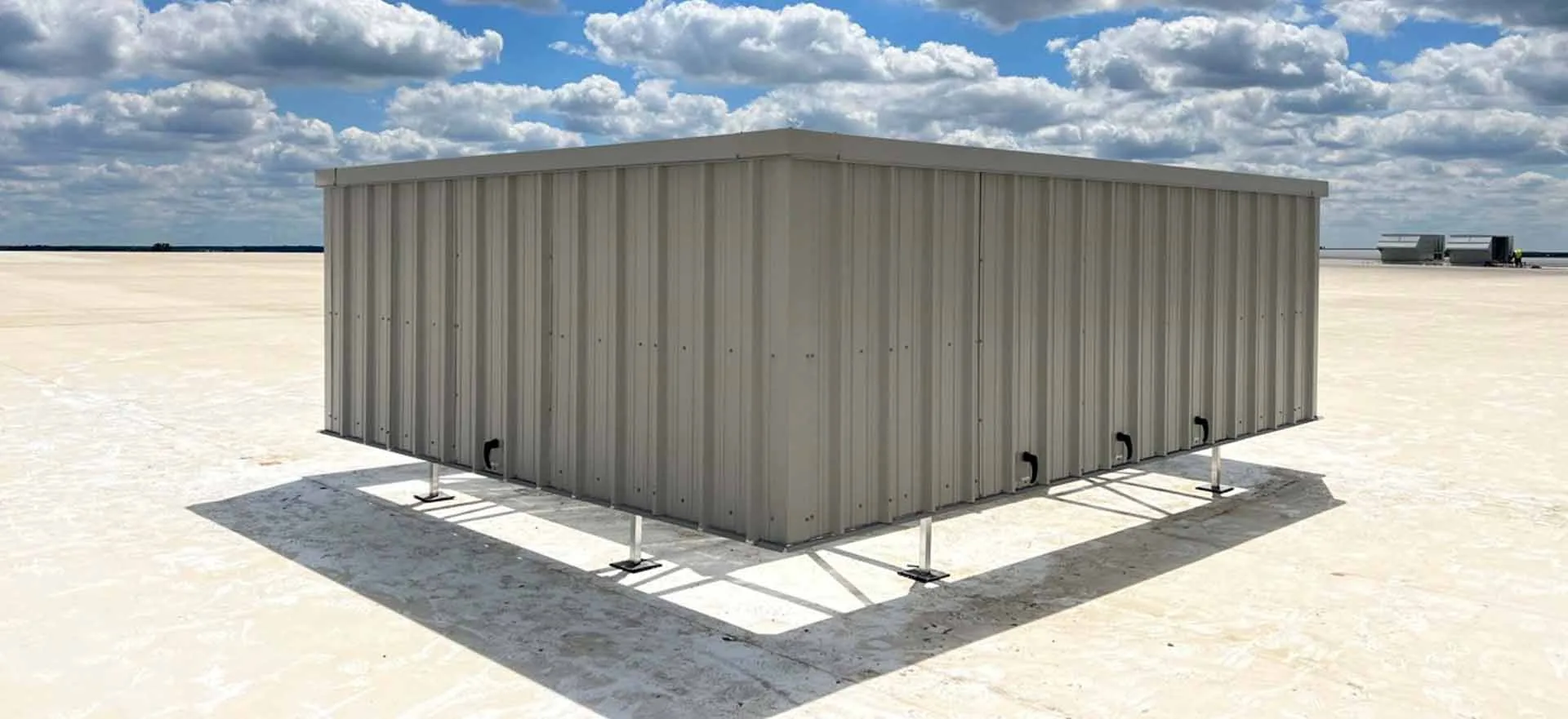
If your building sits in a snowy climate, rooftop equipment needs more than a standard architectural screen. Rooftop snow screens are built to keep air moving through package unit intakes and condenser coils while breaking up drifting snow before it piles against the equipment. This guide covers what they are, why snow causes problems, and what to look for when you need rooftop screening in a cold climate.
What a Rooftop Snow Screen Is
A standard architectural screen hides mechanical equipment from the street. It may use solid panels or simple louvers sized for wind and aesthetics. Equipment screening for snow country goes further. It is designed for cold-climate conditions where snow drifts against intake openings, builds on flat roof surfaces, and blocks the service path your technician needs.
Snow screens typically use open panel sections, angled louvers, or raised frames that let wind pass through while redirecting snow away from critical airflow paths. The goal is the same on package units, chillers, and other rooftop mechanical equipment: keep rated airflow clear and keep service doors reachable after a storm.
Why Snow Is a Problem for Rooftop Equipment
Snow does more than look messy on a roof. Drifting snow can block intake louvers and reduce the air volume your unit needs to run efficiently. Ice forming around coil faces makes the problem worse. A screen that traps snow against the equipment instead of shedding it can cut capacity and force longer run times.
Weight is another concern. Wet snow piled against a screen adds load the structure was not designed for. Deep drifts can bury access panels and make routine filter changes or coil cleaning a winter excavation project. In snow country, screening that ignores drift patterns often creates more maintenance work than it prevents.
How Screens Keep Air Moving
A well-designed snow screen breaks up drift before it reaches the equipment face. Open sections at the bottom let snow fall through rather than build against intake openings. Louver angles are set so wind can still pull air through the screen while snow slides off or collects where it will not block service.
CME validates door swings, service access, and equipment clearances during a factory layout review before anything is fabricated. That same review applies when cold-climate drift and airflow paths need to be accounted for in the screen design.
Materials That Hold Up in Winter
Rooftop screens take constant exposure to UV, rain, humidity, and temperature swings. CME fabricates screening from 26-gauge steel siding and trim with siliconized polyester finishes that resist UV, rain, humidity, and abrasion. Panel style and color tier are selected with your CME representative before drawings go to the shop.
Louvered panels are available when open airflow sections are part of the design. Your representative can provide the current panel and color lists during layout.
Attachment and Mount Options
How a screen attaches to the roof affects both snow load transfer and your roof warranty. CME offers unit-mounted assemblies that attach to the curb or equipment frame, and post-mounted assemblies that stand independent of the unit when weight, vibration, or layout requires it. Mount type gets locked during layout confirmation, not during install on a crowded roof.
For a deeper look at attachment methods that avoid drilling the roof membrane, see our guide to non-penetrating rooftop screen systems.
Wind and Regional Load Requirements
Snow load and wind exposure vary by region. Standard CME screening systems are engineered to withstand wind speeds up to 120 mph. Where project requirements exceed standard criteria, project-specific engineering is available based on the Engineer of Record’s design requirements. Standard heights run up to 120 inches, with taller heights available when supported by project-specific engineering.
Screening in snow country should be sized for both wind and the drift patterns your roof actually sees, not pulled from a catalog module.
Custom Design vs. Off-the-Shelf
Off-the-shelf panels rarely match curb lines, withstand regional wind and weather, or fit the access path your service contractor needs. CME has fabricated custom mechanical screening for more than 20 years, from single package units to plant-level chillers and cooling towers. Every project gets a factory layout review with panel style, color, flashing, door locations, and mount type confirmed before fabrication.
If you are evaluating rooftop snow screens for package units, chillers, or other mechanical equipment in a cold climate, start with your equipment dimensions, location, and any local code requirements. Visit the Rooftop Screening product page for specifications and project support details, or request a custom quote to get a project-specific layout from CME.
Other Articles
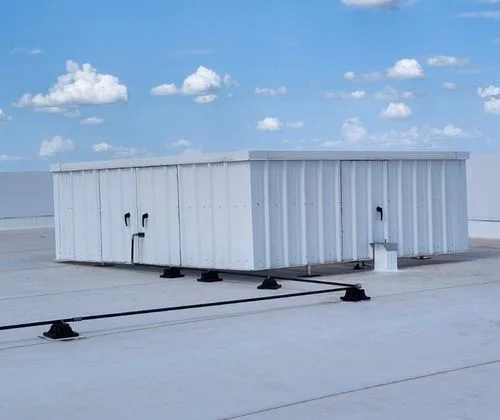
Non-Penetrating Rooftop Screen Systems
Non penetrating rooftop HVAC screens protect equipment without drilling the roof membrane. Learn how mechanical screening stays put, when it fits, and how CME selects mount types.
Read Article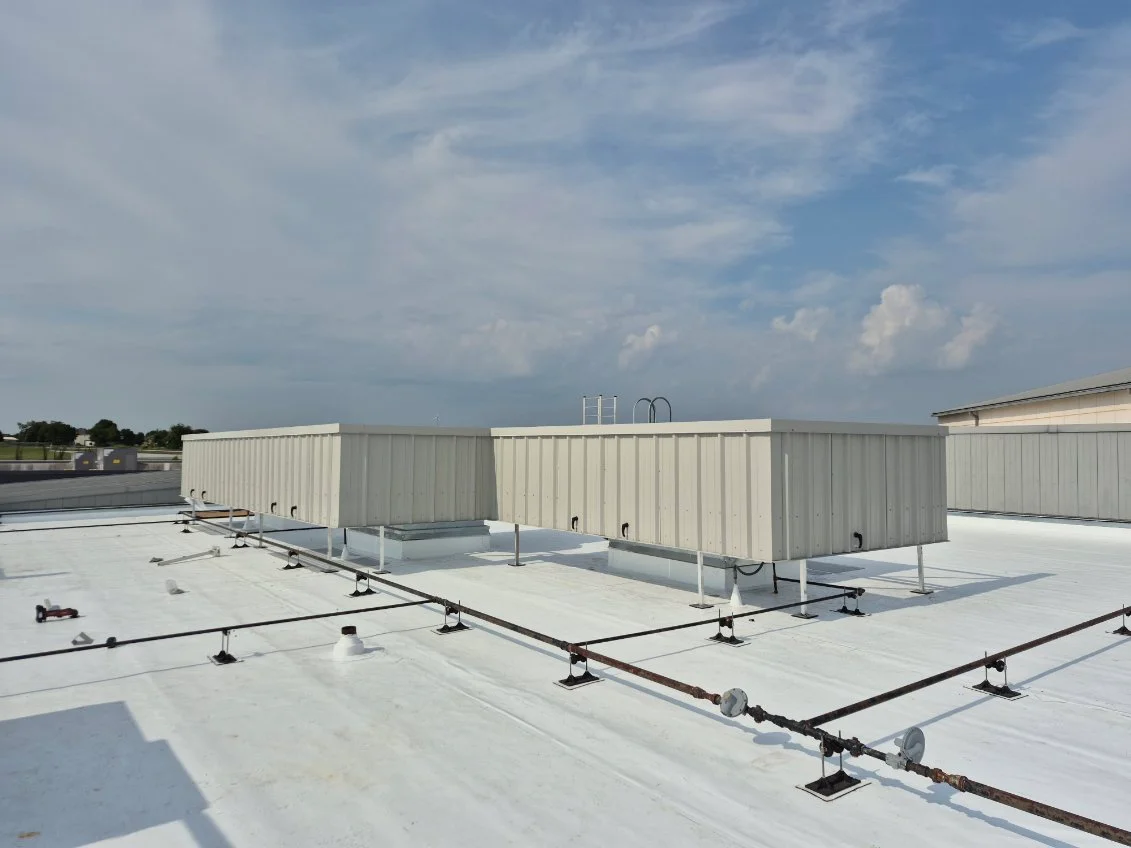
Rooftop Equipment Screen Cost: 2026 Pricing Factors
Rooftop equipment screen cost depends on size, materials, wind region, and mount type. Learn what drives equipment screening pricing and how to get a custom quote from CME.
Read Article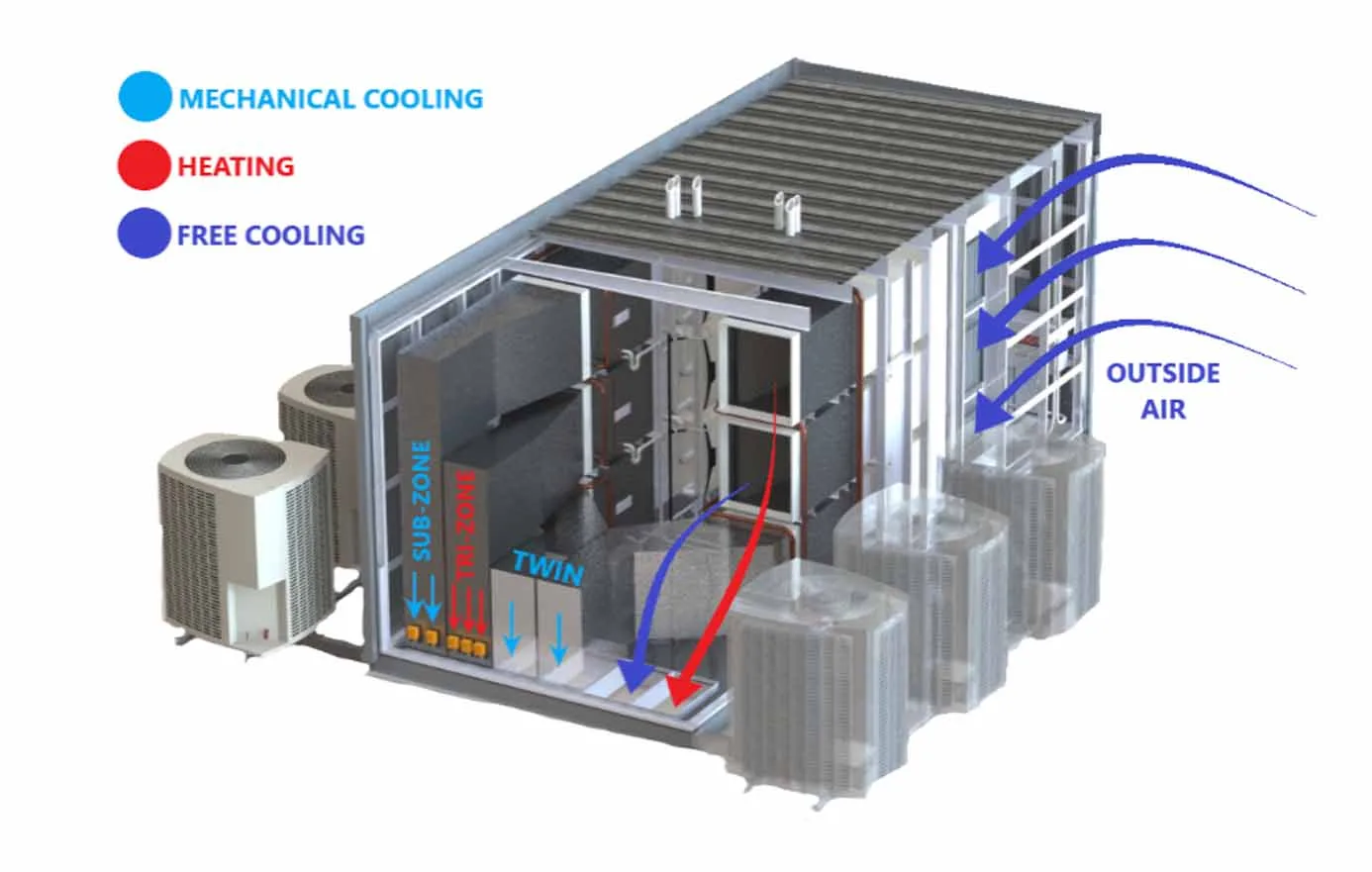
Multizone Efficiency
How Custom Mechanical Equipment packages high-efficiency HVAC components into PMZ3 penthouse units that cut energy use, eliminate simultaneous heating and cooling, and deliver independent zone control for commercial buildings.
Read Article