Rooftop Equipment Screen Cost: 2026 Pricing Factors
Custom Mechanical Equipment
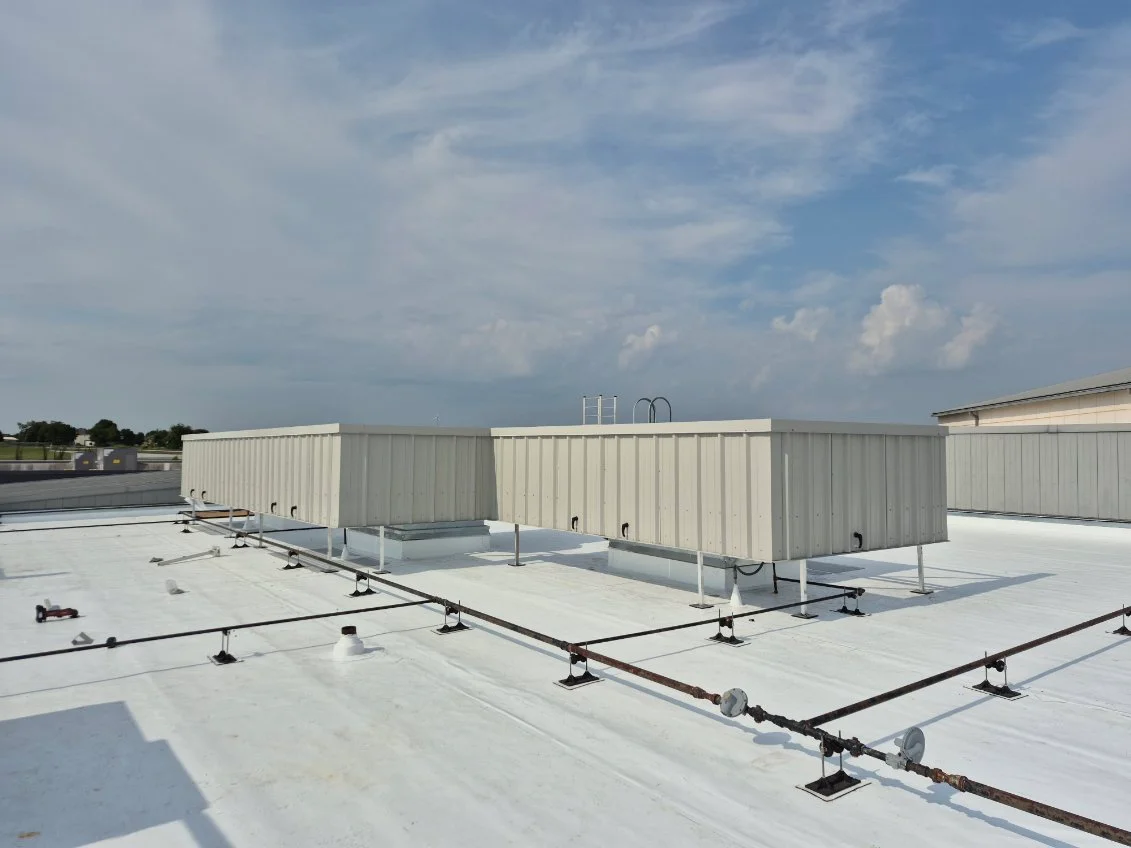
If you are trying to budget for rooftop screening, you will not find a single price that applies to every job. Rooftop equipment screen cost varies with the equipment footprint, the region, the finish, and how the screen mounts to the roof. CME quotes each project on its specifics. This guide explains the factors that influence mechanical screen pricing so you know what you are paying for before you request a number.
Why There Is No Single Price
Every CME screening system is custom built to field dimensions. A single-sided screen around one package unit is a different job than a four-sided enclosure around a chiller plant. Wind exposure, panel style, color tier, and whether CME installs the screen or ships it for your contractor all change the scope. That is why an accurate quote starts with project details, not a catalog price list.
Factors That Influence Rooftop Screen Cost
Screen size, height, and footprint
CME configures screening as one-, two-, three-, four-sided, or combination layouts at any length and width to match field dimensions. Standard heights run up to 120 inches, with taller heights available when supported by project-specific engineering.
Number and size of units being screened
Screening one condenser bank is a different scope than enclosing multiple chillers, cooling towers, and exhaust fans across a full rooftop mechanical plant.
Material and panel style
Panel options include PBR to vertical or horizontal, louver, Agri-Rib, and smooth or embossed finishes. Louver and specialty panel styles carry additional cost compared to standard layouts.
Finish and color
Standard, premium, and metallic color tiers are available, with custom color match to building finishes on request. Your CME representative provides current panel and color lists during layout.
Wind and snow load for the region
Standard screening systems are engineered to withstand wind speeds up to 120 mph. Projects in high-wind or heavy-snow regions may need project-specific engineering based on the Engineer of Record’s design requirements.
Roof type and attachment method
Unit-mounted screens attach to the curb or equipment frame. Post-mounted screens stand independent of the unit when weight, vibration, or layout requires it. Mount selection affects both material and labor. See our guide to non-penetrating rooftop screen systems for more on attachment options.
Local code and permitting
Screening that must meet architectural elevation requirements, AHJ visibility rules, or CSI Section 10 82 13 specifications adds coordination time to the project.
Building height and site access
A ground-level install with easy crane access is a different logistics picture than a high-rise roof with limited staging area.
Aesthetic and architectural requirements
Custom color match, specialty panel profiles, and elevation-specific detailing add fabrication complexity beyond a standard enclosure.
Supply-only vs. supply plus installation
Most projects are installed by the general contractor or mechanical contractor following CME drawings. CME also offers field installation or factory installation when your schedule requires a single responsible party on the roof.
Timeline and rush needs
Standard screens typically ship in 8 to 12 weeks from approved layout. Louvered systems run about 12 to 14 weeks. Shorter timelines are sometimes possible depending on shop load.
How to Get an Accurate Quote
Have these details ready when you contact CME:
- Rough dimensions of the equipment or area to be screened
- Number and type of units (package units, chillers, towers, etc.)
- Project location and any known wind or snow load requirements
- Roof type and whether a curb or structural frame already exists
- Any architectural elevation, code, or visibility requirements
- Whether you need supply only or installation support
CME starts every project with a factory layout review. Panel style, color, flashing, door locations, and mount type are confirmed before fabrication, then cut and assembled at CME’s Ponca City shop.
For a full overview of configuration options and project support, visit the Rooftop Screening product page or browse CME product lines. When you are ready for a project-specific number, request a custom quote.
Other Articles
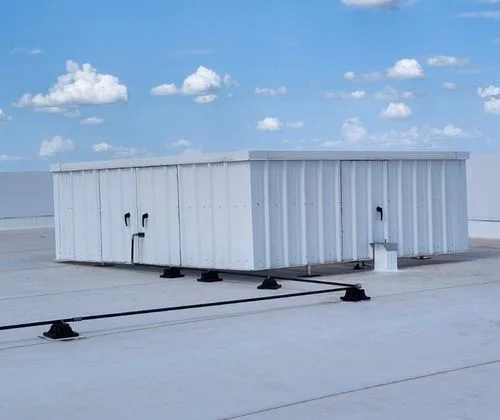
Non-Penetrating Rooftop Screen Systems
Non penetrating rooftop HVAC screens protect equipment without drilling the roof membrane. Learn how mechanical screening stays put, when it fits, and how CME selects mount types.
Read Article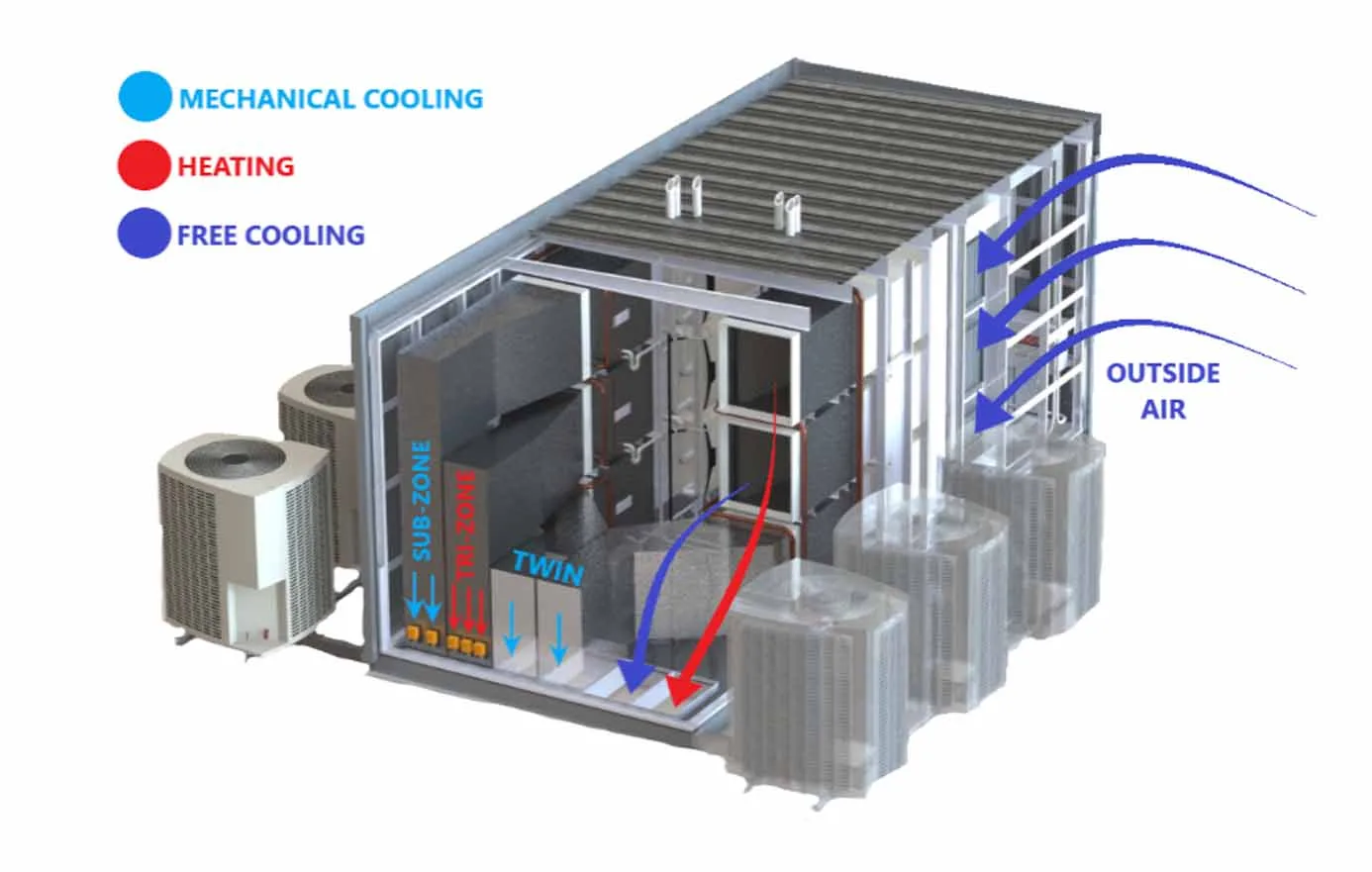
Multizone Efficiency
How Custom Mechanical Equipment packages high-efficiency HVAC components into PMZ3 penthouse units that cut energy use, eliminate simultaneous heating and cooling, and deliver independent zone control for commercial buildings.
Read Article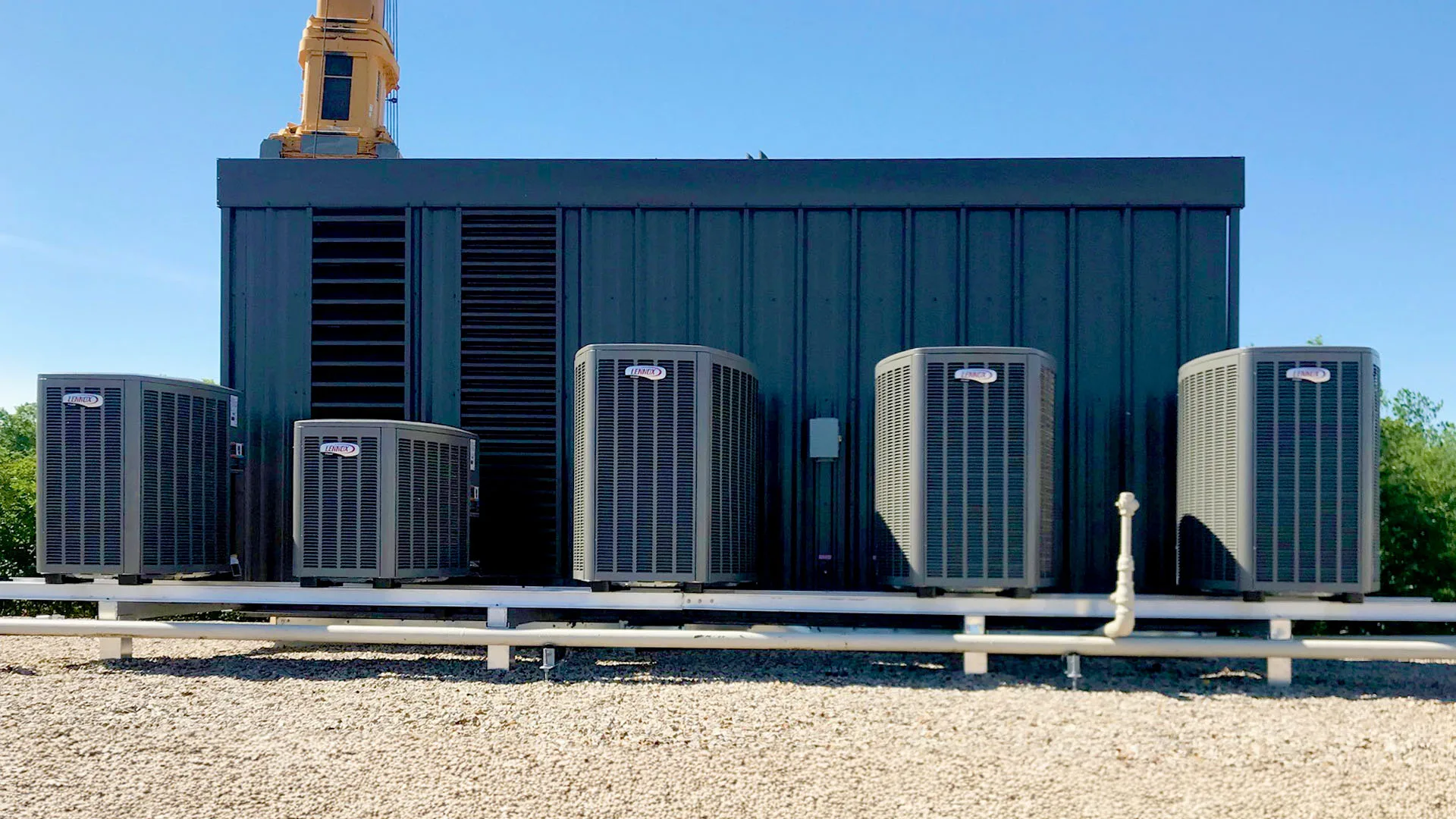
Climate Comfort with Custom Mechanical Equipment Multi-Zone HVAC
How PMZ3 multizone HVAC from Custom Mechanical Equipment delivers independent zone comfort, BACnet-ready controls, and factory-built reliability for one- to three-story commercial buildings.
Read Article