
Non-Penetrating Rooftop Screen Systems
Custom Mechanical Equipment
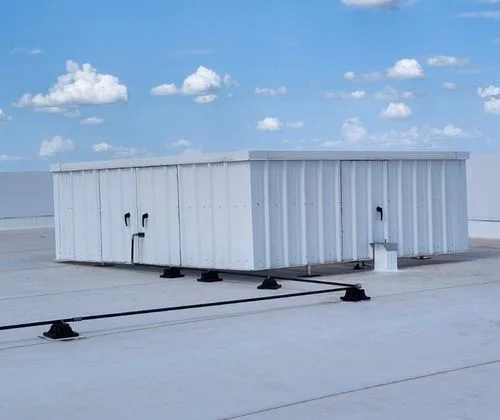
A facilities manager or contractor evaluating rooftop screening often has one question before anything else: will installing a screen void the roof warranty or create a leak path? Some equipment screening approaches address that concern by securing the enclosure without drilling through the roof membrane. Here is what non-penetrating means in the industry, when it matters, and how CME approaches mount selection on your project.
What “Non-Penetrating” Means
On a commercial roof, “non-penetrating” means the screen assembly does not require new holes through the waterproofing membrane. The screen may attach to an existing equipment curb, clamp to a structural frame, or sit on a ballasted base that uses weight instead of fasteners to resist wind uplift. The common thread is that the roof membrane itself stays intact.
This is different from a penetrating mount, where fasteners pass through the membrane and into the deck or structure below. Both approaches exist in the industry. The right one depends on your roof type, warranty terms, and how the equipment is already set on the building.
Why Roof Penetrations Are a Concern
Every penetration is a potential leak point. Even a well-flashed fastener can fail over time, especially on a roof that sees foot traffic, freeze-thaw cycles, and re-coating. Many roof warranties specifically limit or exclude new penetrations added after the original install.
Penetrations also complicate future repairs. If the membrane needs patching or replacement, every screen anchor becomes an obstacle. For owners planning a long service life on both the roof and the mechanical equipment, minimizing new holes is a practical priority.
How Screens Stay Put Without Membrane Drilling
In the broader market, non-penetrating rooftop screens may use ballasted frames, curb-mounted brackets, or clamp systems that grip existing structural edges. Ballasted systems rely on calculated weight to resist wind uplift without fasteners through the membrane.
CME offers two mount types on every rooftop screening project: unit-mounted assemblies that attach to the curb or equipment frame, and post-mounted assemblies that stand independent of the unit when weight, vibration, or layout requires it. Unit-mounted screening often avoids new penetrations through the roof membrane when the screen attaches to an existing curb. During the factory layout review, your CME project manager walks curb lines, door swings, and panel counts against the architect elevation and recommends the mount that keeps service access intact. Post-mounted versus unit-mounted decisions get locked in that review, not during install on a crowded roof.
Benefits When the Roof Warranty Is a Priority
Choosing a mount that avoids unnecessary membrane penetrations protects the warranty terms you already have in place. It can also shorten install time when the screen attaches to existing curbs or frames rather than requiring new flashing details across the roof field.
A screen designed for your actual equipment layout is easier to modify later. Removable doors and moveable panel locations are laid out around your service access plan during layout confirmation, so future equipment changes do not require dismantling the entire enclosure.
When Penetrating Mounts May Still Be Right
Non-penetrating is not always the answer. Post-mounted screens on open roof areas may need structural anchors that penetrate the deck to meet wind load requirements. High-wind regions, tall screen assemblies, or roofs without existing curbs can push the design toward penetrating mounts with proper flashing.
CME standard screening systems are engineered to withstand wind speeds up to 120 mph. Where project requirements exceed standard criteria, project-specific engineering is available based on the Engineer of Record’s design requirements. An honest evaluation of your roof conditions and wind exposure should drive the mount decision, not a one-size-fits-all preference.
Typical Building Situations
Non-penetrating approaches fit well when equipment already sits on a structural curb and the screen can mount to that frame. Buildings with active roof warranties, recent membrane installs, or plans for future roof work benefit from limiting new penetrations. Schools, healthcare facilities, and municipal buildings where downtime is costly often prefer layouts that keep both the roof and the equipment accessible.
CME screens chillers, cooling towers, condensers, heat pumps, exhaust fans, rooftop package units, and specialty mechanical equipment. Layouts are built to your field dimensions, not pulled from a standard catalog size.
For specifications, lead times, and project support, visit the Rooftop Screening product page. To discuss mount options for your roof, request a custom quote and CME will review your rooftop plan on a discovery call.
Other Articles
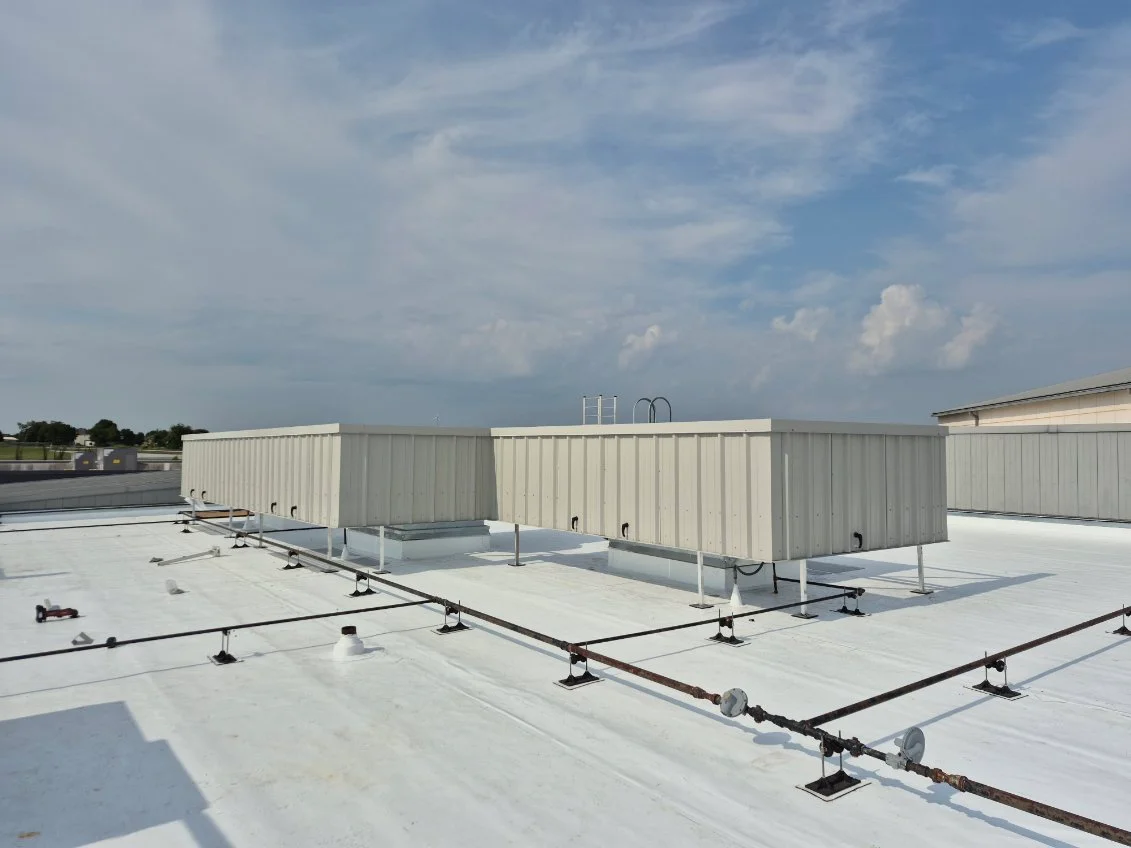
Rooftop Equipment Screen Cost: 2026 Pricing Factors
Rooftop equipment screen cost depends on size, materials, wind region, and mount type. Learn what drives equipment screening pricing and how to get a custom quote from CME.
Read Article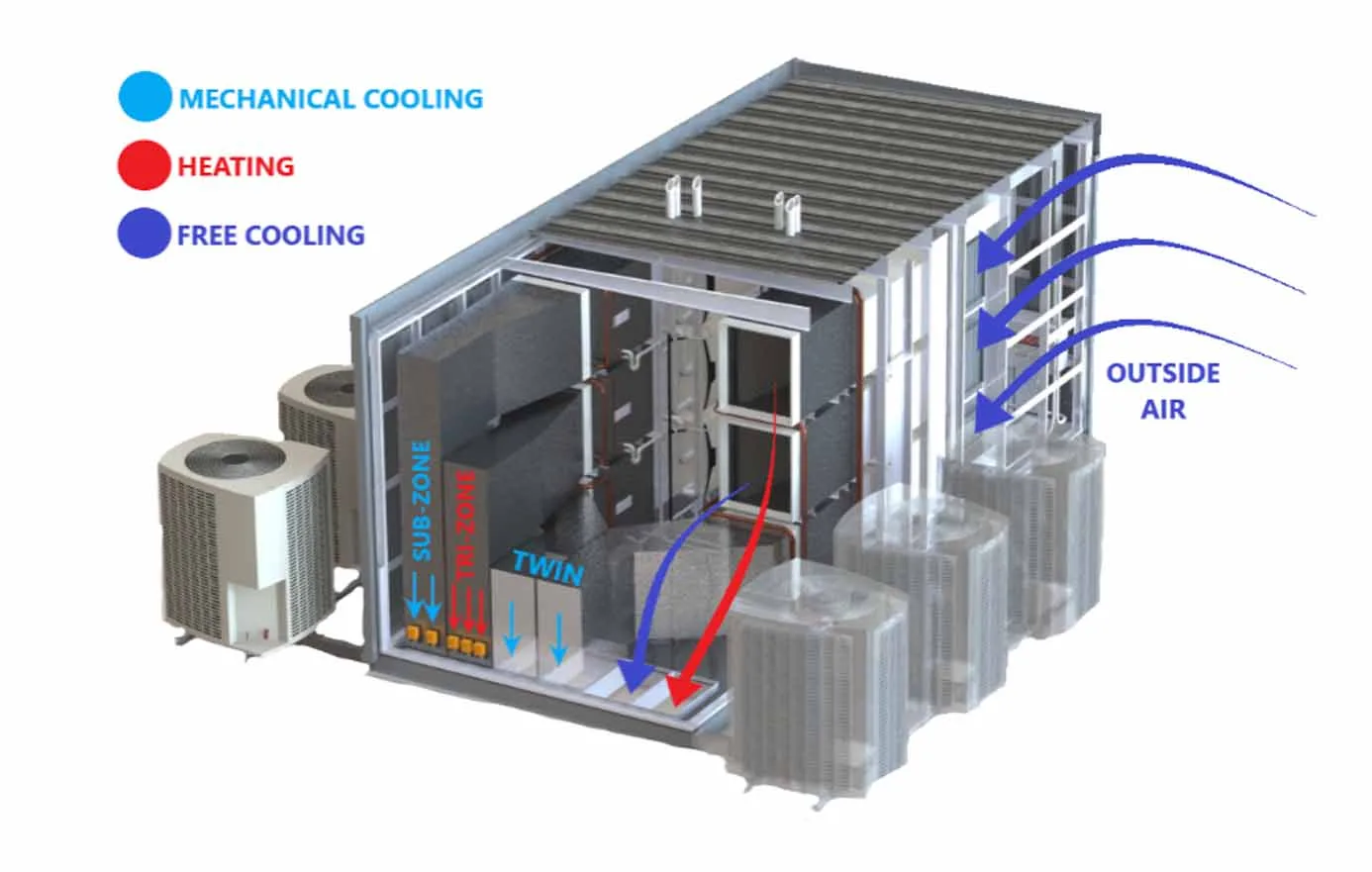
Multizone Efficiency
How Custom Mechanical Equipment packages high-efficiency HVAC components into PMZ3 penthouse units that cut energy use, eliminate simultaneous heating and cooling, and deliver independent zone control for commercial buildings.
Read Article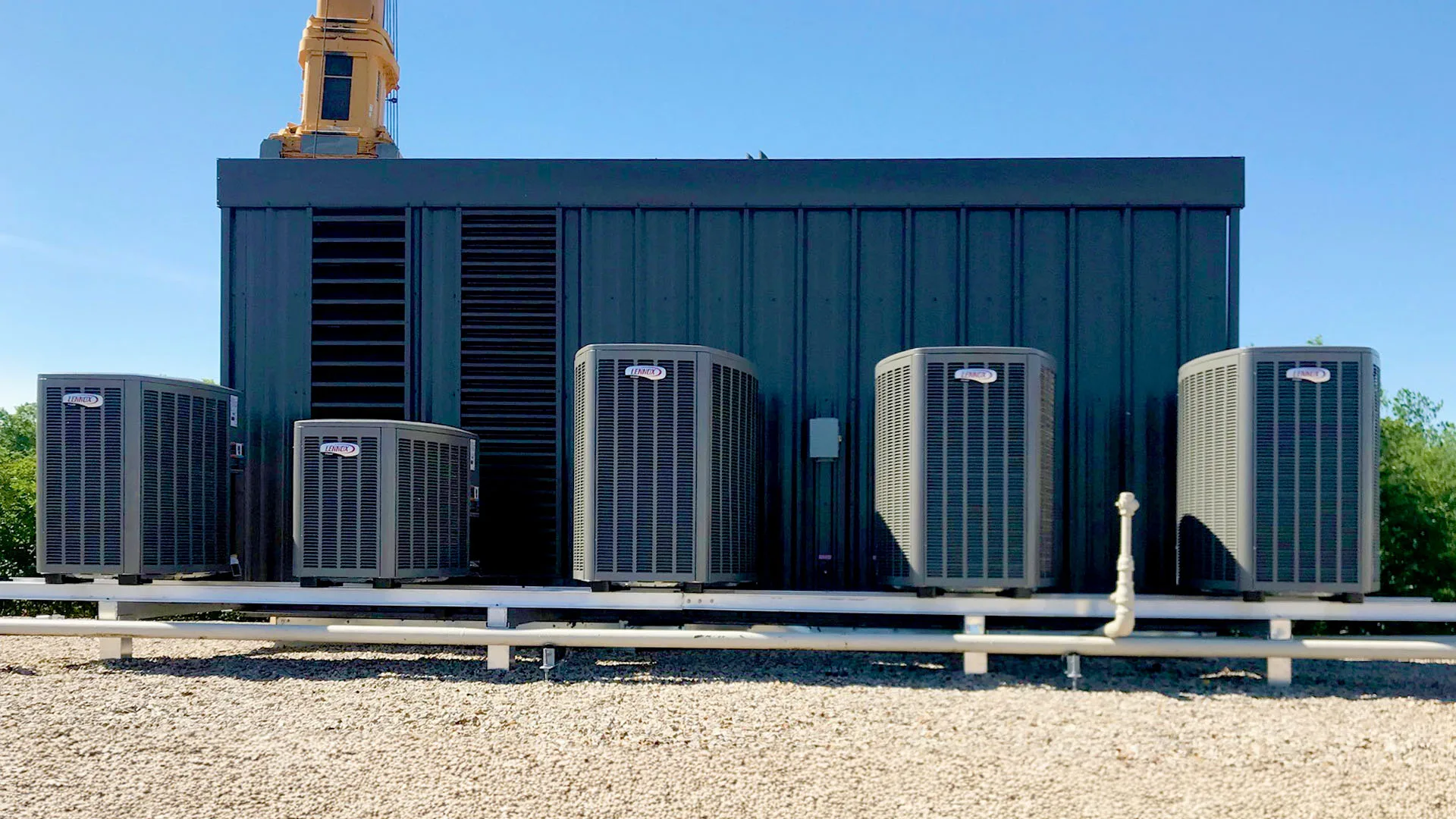
Climate Comfort with Custom Mechanical Equipment Multi-Zone HVAC
How PMZ3 multizone HVAC from Custom Mechanical Equipment delivers independent zone comfort, BACnet-ready controls, and factory-built reliability for one- to three-story commercial buildings.
Read Article